About:
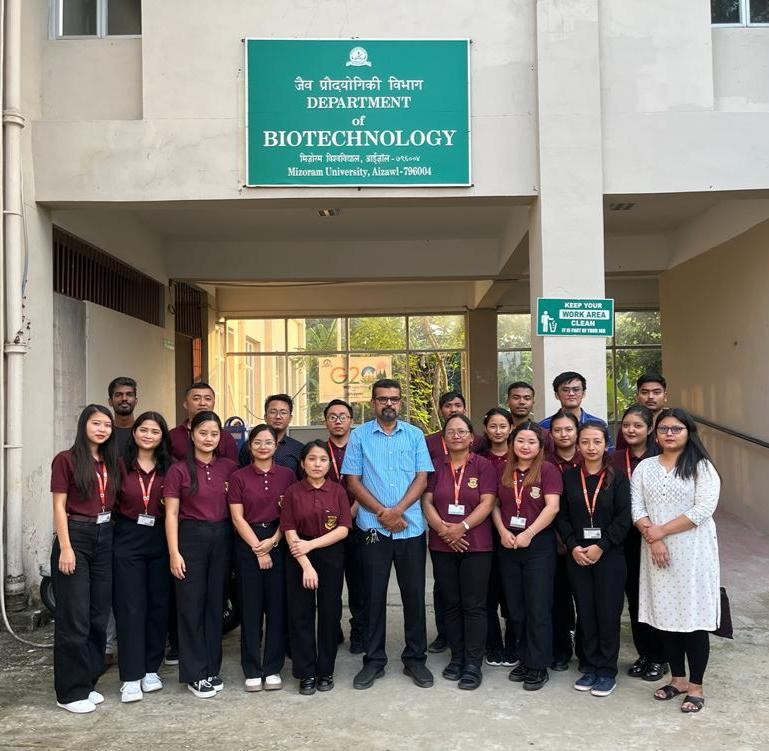
The Department of Biotechnology (DBT), New Delhi sponsored Advanced State Biotech Hub at MZU is a Unique facility in Mizoram with an objective “A stride towards Population Well-being and Personalized Healthcare”. The Biotech Hub is housed in the Department of Biotechnology, MZU and has been catering to the training needs / Infrastructural support / extension activities at various levels (Schools / Colleges / Universities / Institutions) and to attract students to build their career in Biology/ Biotechnology in Mizoram as well as in the Country as a whole.
Our primary research focus is on mitigation of diseases and to understand the Epidemiology (Ethnicity, Life style & Food habits) and Genetic pre-disposition of the Mizo population in relation to Addiction, Cancers, Diabetes and Autism.
The DBT sponsored Biotech Hub project has created good infrastructure for Bioinformatics / Molecular Biology research. We closely work with the Clinicians / Doctors / Surgeons from Civil Hospital Aizawl, Mizoram State Cancer Institute, Zoram Medical College and the private hospitals. We aim to develop Genomic markers for early diagnostics, treatment design and good prognostic markers for various diseases.
Objectives:
Name of Principal Investigator:
Name of Co-Investigator :
Scientific and Technical Progress:
The research activities in Human Disease Genomics and Metagenomics in the Addiction patients from Mizoram are the prime focus of the Advanced Level State Biotech Hub. We have been working towards addiction to substances (DAST, ASSIST, AUDIT, FTND, ACE), food habits (high consumption of smoked or fermented foods) and certain lifestyle habits which could be the root cause of life-threatening diseases, such as Cancers, Diabetes etc.. The unique lifestyle and food habits of the Mizo population along with novel gene variants (mitochondrial and nuclear) are being studied. Therefore, to discern the genetic basis of addiction, we have sampled 135 patients (male and female) blood for whole exome sequencing as well as saliva for Metagenomic study. Next generation Sequencing has been performed and data analysis is on-going. The State Biotech Hub is also generating a genomic reference database of the Mizo population which would be helpful in future disease research.
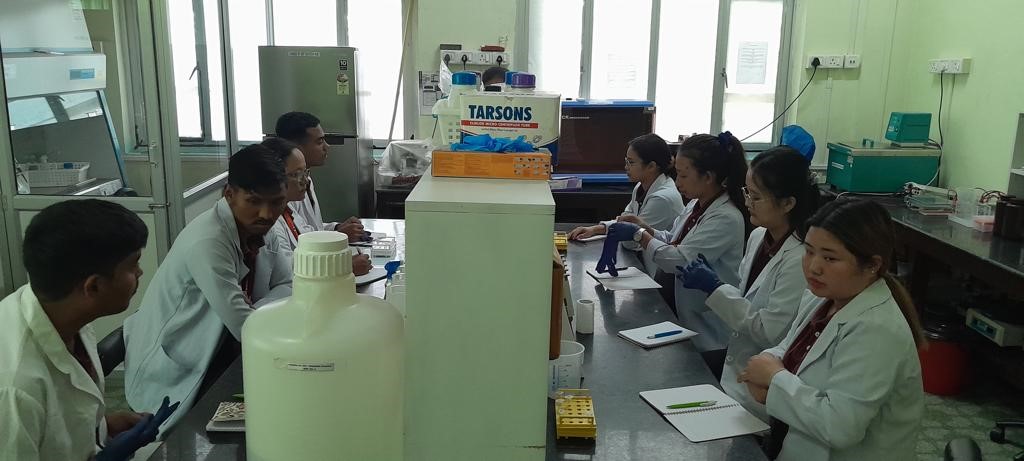
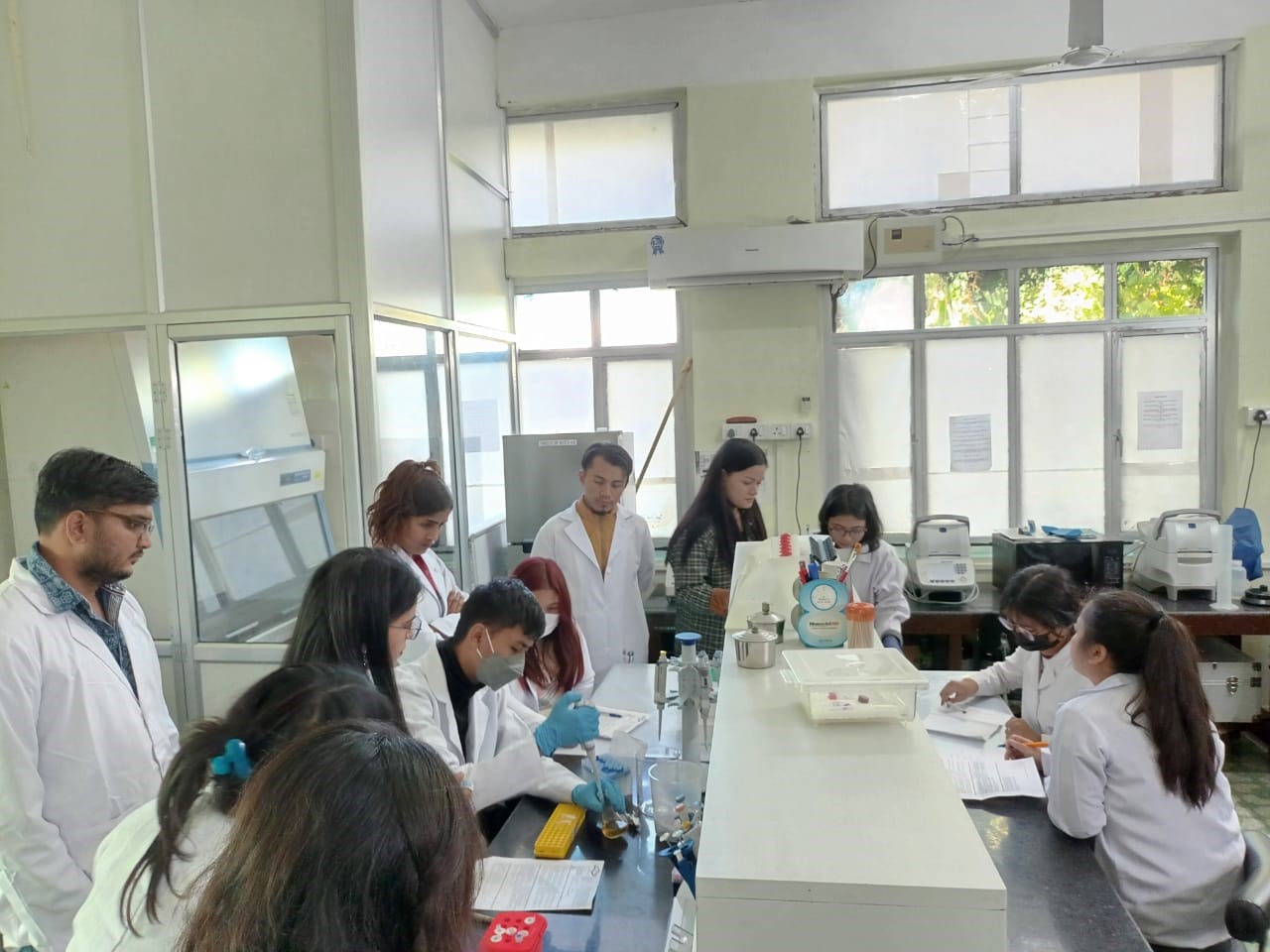
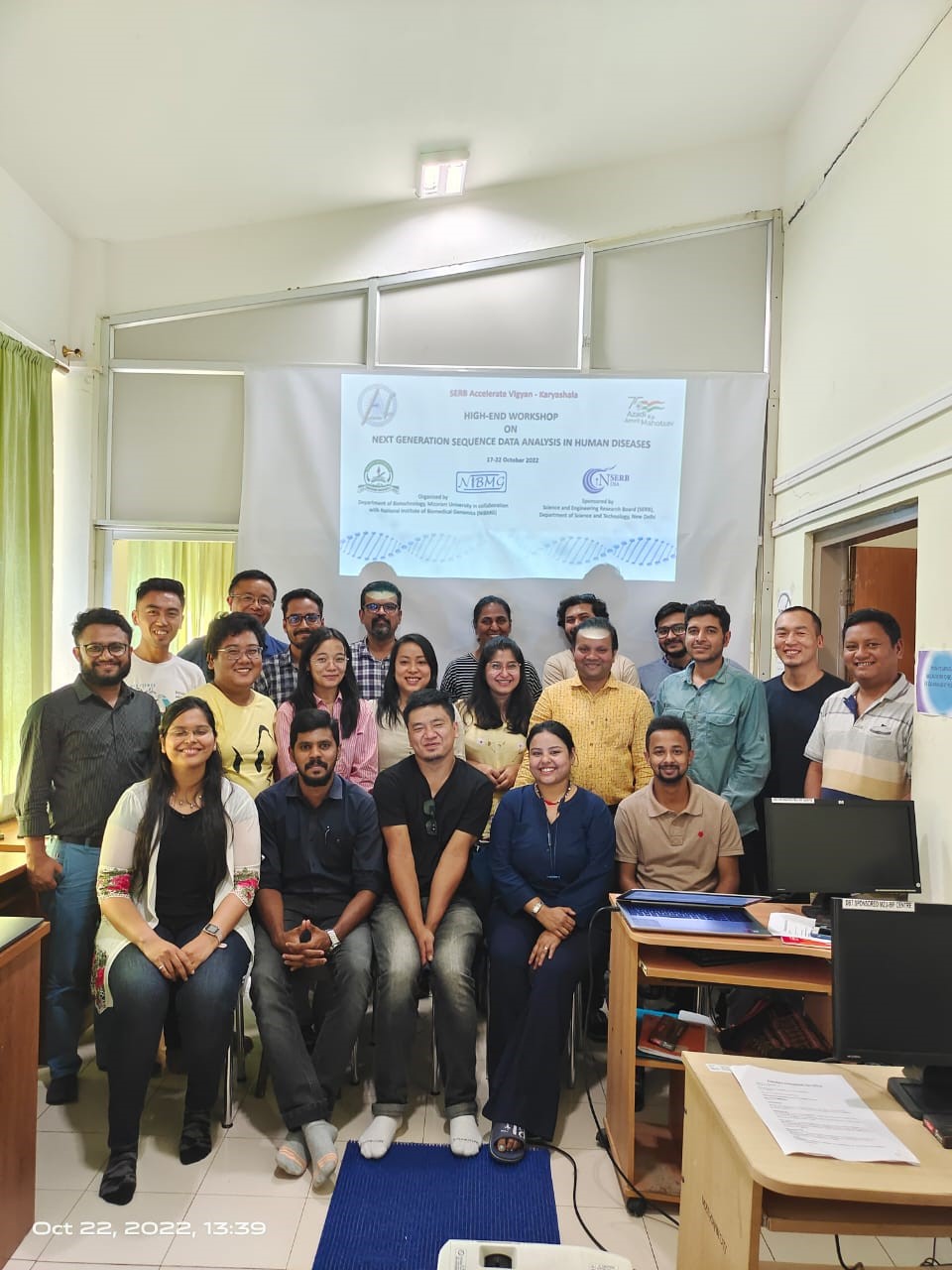
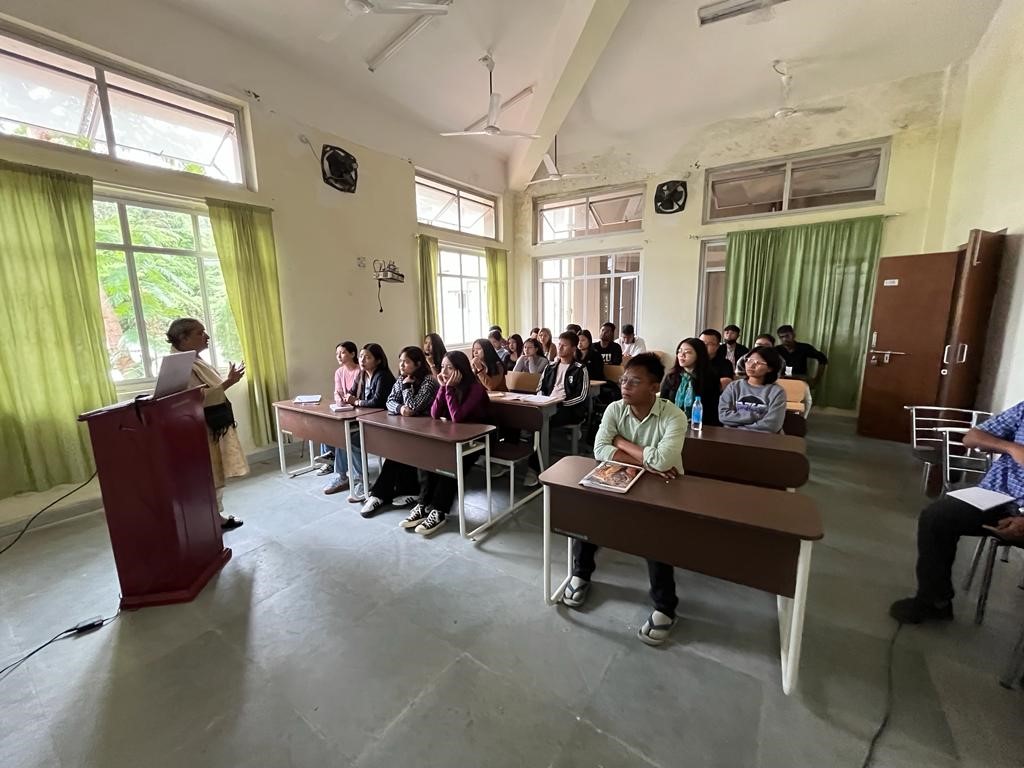
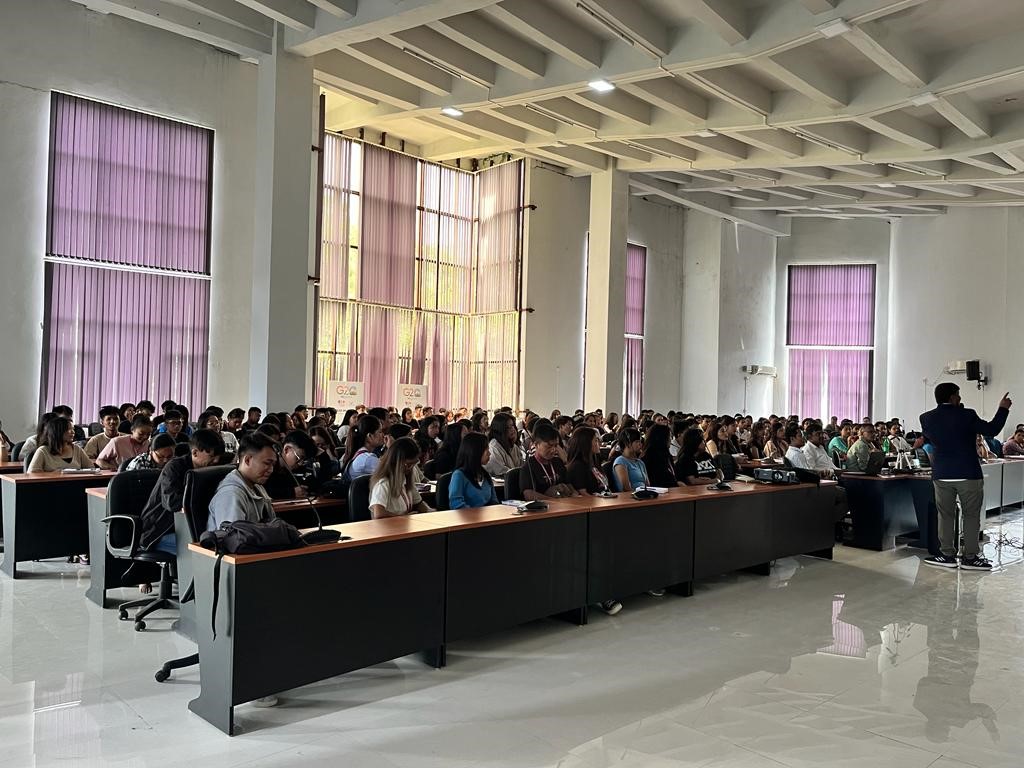
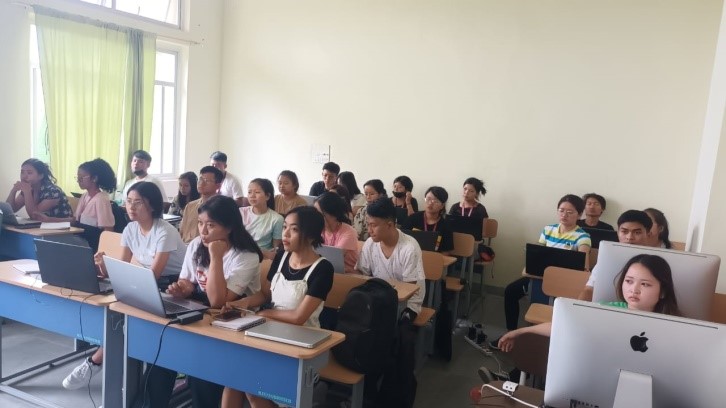
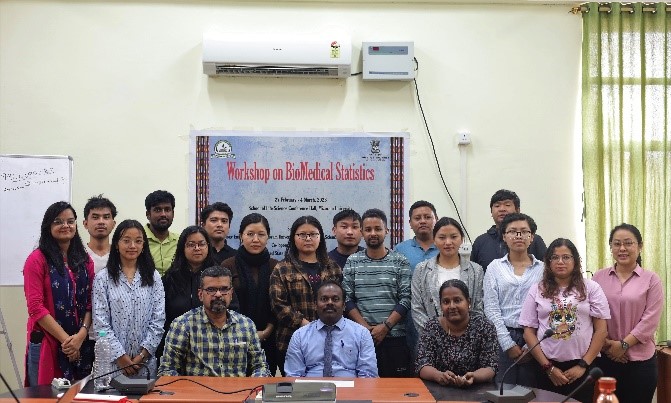
The State Biotech Hub is continuing to extend its activities as well as sharing instruments for research purposes with Colleges and University Departments. The extension activities conducted includes 03 outreach programmes, 16 hands-on trainings/ workshops and 02 popular lectures workshops in the areas of Biotechnology/ Bioinformatics/ Life Sciences to the students from various Schools, Colleges, Universities. Fostering collaborative research and support to the students to carry out their research/project works are also being done.
Achievements till date (Objective-wise):
Objectives 1,2,3
Ethical clearance was obtained from IHEC, Zoram Medical College and approval was obtained from the Director of Synod Hospital in Durtlang, Aizawl for the purpose of sampling.
Questionnaire was designed which included basic socio-demographic details, Alcohol, Smoking and Substance Involvement Screening Test (ASSIST), Drug Abuse Screening Test (DAST), Alcohol Use Disorders Identification Test (AUDIT), Fagerstrom Test for Nicotine Dependence (FTND), Adverse Childhood Experiences (ACE) and epidemiological data. The questionnaire was field tested and also translated in local Mizo dialect. About 131 cases and 249 healthy controls samples were collected and statistical analysis using SPSS v.26 is ongoing.
Blood, saliva, and questionnaire sample collection were started on 20 July 2022 in Synod Hospital, Durtlang, Aizawl, Mizoram. A trained clinical psychologist collected the questionnaire data with the written consent of the patients admitted to the hospital for detox with drug or alcohol dependence. Patients’ blood was collected in three different vials: EDTA, serum and RNA tubes and saliva sample were collected in 95% ethanol for oral microbiome study. Along with this, complete biochemical clinical profile and their medication charts were also obtained from the hospital with patients’ consent. Microbial DNA from saliva and genomic DNA from blood were isolated.
The study constituted 137 males and 159 females among healthy individuals and 96 males and 35 females among cases with substance use disorder problems. Preliminary analysis showed that the odds of having SUD were 1.7 times higher (p = 0.037, 95%) for individuals who experienced verbal and 2.285 times higher (p = 0.000, 95%) for individuals whose parents divorced during their childhood. The study identified a significant association (p < 0.000) between parental nicotine use history and the use of substances (alcohol and drugs) among participants. Participants with a paternal history of nicotine use exhibited a substantially increased likelihood of substance use, with an odds ratio of 4.644. Similarly, a significant association was observed for maternal nicotine use history, revealing an odds ratio of 3.319. These findings underscore the impactful role of family history in influencing the engagement of individuals in substance use. Addressing such familial factors may be crucial in developing targeted interventions to mitigate the risk of substance use among vulnerable populations.
Sample collection continued with permission from Director of Social Welfare Department, Government of Mizoram for sampling of female patients in State Social Welfare & Rehabilitation Centre, Aizawl, Mizoram. Sample collection for this study was completed in November 2022 with a total recruitment of 100 males and 35 females. DNA isolation was completed and prepared for sequencing. Questionnaire and clinical data were entered in Excel sheets. Follow-up questionnaire was designed, field tested and data collection was started for the patients.
About 98 genomic DNA from blood (75 males & 23 females) samples for whole exome sequencing, and 53 oral microbiome samples for V3-V4 16S rRNA sequencing were done. Exome analysis pipeline is being standardized and the analysis is on-going. Microbiome data analysis was done and the pipeline has been standardized. Preliminary data was generated and further data analysis and cleanup is required. The sequences processing was performed using QIIME2 v2020.2. Some of the abundant genus includes Streptococcus sp. (Fermicutes), Rothia sp. (Actinobacteria) and Neisseria sp. (Proteobacteria). Unassigned bacteria make up about 30% of observed bacteria, which necessitates thorough research on oral microbiome in the population and different disease conditions as novel significant organisms may be discovered and distinct oral microbiome pattern may be observed. About 35 healthy control saliva metagenome sequencing is also being performed for comparison with the cases.
Targeted sanger sequencing was performed on genes (ADH1B, ALDH2, CYP2A6, CYP2B6 and OPRM1) covering the complete exons frequently implicated in Substance use and dependence in 12 patients with substance use disorder. Multiple variants were reported in CYP2A6 exons 1,6, and 8, CYP2B6 exon 2 and OPRM1 exon 4. Some of these variants have been previously reported as missense in various databases.
Substance use Patients- Sanger sequence data
Gene | Exon | rsID |
CYP2A6 | 1 | rs1967196886, rs767380497, rs139764932, rs770479084, rs778218518, rs762573512, rs1137115, rs373993802 |
5 | chr 19: 40846912 (C>T) chr 19: 40846991 (G>T) | |
6 | rs2644905, rs2644907 rs2644906, rs4997557 | |
8 | rs8192730, rs56314118 rs1809810 | |
CYP2B6 | 2 | |
5 | rs2279343 | |
OPRM1 | 4 | rs1583620819 |
Additional works
Sanger sequencing has been performed on Gastric, Breast, Lung and Head & Neck Cancers using TP53 Exon primers for understanding the Li-Fraumeni syndrome. NSCLC primers have been used in few samples for diagnostic and prognostic purposes. Dicer gene Exon primers have been used for Sanger sequencing in Gastric, Breast Cancer samples. Data Analysis is going on in all these sequence data.
A questionnaire for the study of knowledge and attitude on cervical cancer and HPV was of Mizo women was designed. A total of 594 participants answered the questionnaire and analysis was completed. The paper is accepted in Indian Journal of Gynaecologic Oncology.
Autism Spectrum Disorder Research
About 38 patients between the ages of 3 and 18 years of age diagnosed and admitted at Child Development Center, Aizawl were identified and recruited for the study. The study included a questionnaire investigation which consists of the child’s prenatal and neonatal conditions as well as present nature and habits. Moreover, the parent’s demographics, lifestyle, and food habits were also included along with the mother’s prenatal conditions. The second part of the study involves Genomic studies and blood samples (1 to 2 ml) were collected and the whole exome sequencing was done for the identification of certain genes that could have an impact on the patient’s clinical outcome. Simultaneously, fecal samples were also collected for 16S rRNA Metagenome studies where microbiome diversity identification and their clinical impact would be assessed. The NGS sequence data (whole exome and metagenome) have been obtained and data analysis is in progress.
Training/ Outreach programs:
Details of Publications: